
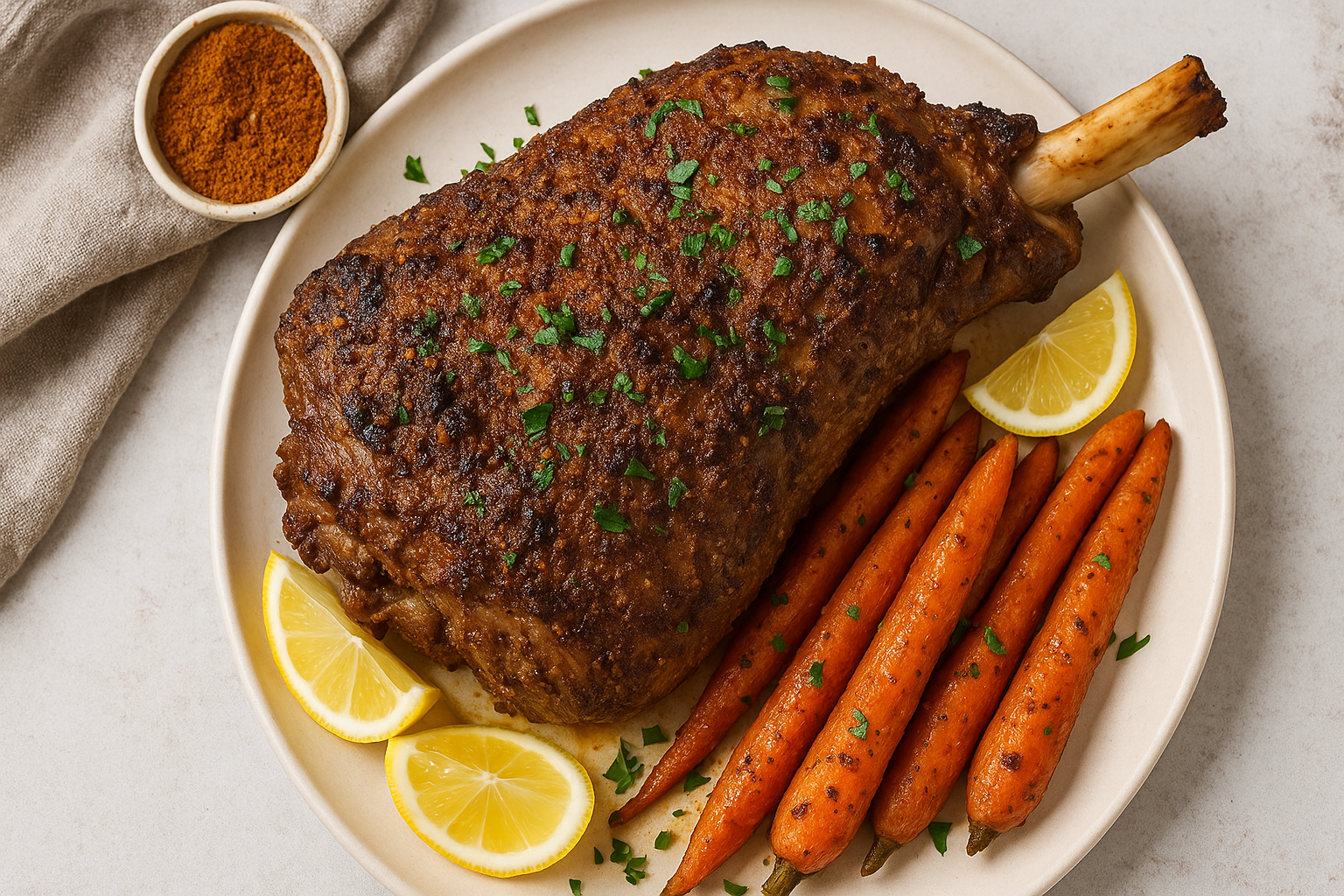

Moroccan cuisine is celebrated for its bold spices, vibrant colors, and warm, earthy flavors. One dish that perfectly embodies this rich culinary tradition is the Moroccan leg of lamb. This recipe is a true showstopper—ideal for festive occasions, family gatherings, or when you simply want to treat yourself to an unforgettable dining experience. The combination of tender meat and a tantalizing spice blend makes this dish irresistible, creating a sensory journey through North Africa right from your kitchen.
Get ahead with this read: Microwave Poached Eggs Recipe
The Star of the Table: The Leg of Lamb
The leg of lamb is a premium cut, known for its robust flavor and tender texture. In Moroccan cuisine, this cut is often slow-roasted or braised to perfection, allowing the spices to penetrate deep into the meat. When cooked properly, it becomes succulent and juicy, falling off the bone with the slightest touch.
Spice Mix: The Heart of the Flavor
What truly sets Moroccan lamb apart is the rich spice mix used for marination. A traditional blend often includes cumin, coriander, paprika, turmeric, cinnamon, ginger, black pepper, and sometimes a hint of cayenne for heat. These spices are combined with garlic, olive oil, and lemon juice to form a thick paste that coats the meat. For the most flavorful results, the lamb should be marinated for several hours—or ideally overnight—to allow the spices to infuse deeply.
Optional Touch: Preserved Lemons and Olives
For a more authentic Moroccan twist, many cooks incorporate preserved lemons and green olives during the roasting process. These ingredients provide a salty-sour depth that balances the richness of the lamb and enhances the overall flavor. They also reflect the unique sweet-sour profile characteristic of Moroccan dishes.
Cooking Method: Slow and Steady Wins the Race
The traditional way to prepare Moroccan leg of lamb is by slow-roasting. This allows the connective tissues in the meat to break down, resulting in tender, flavorful lamb that melts in your mouth. The lamb is often roasted at a low temperature—around 300°F (150°C)—for 3 to 4 hours, depending on the size of the leg. You can also cover the lamb with foil for the first few hours to lock in moisture and then uncover it toward the end to allow a beautifully browned crust to form.
Alternatively, some Moroccan recipes use a tagine—a conical clay pot designed for slow cooking. If you have one, it’s worth trying for a more traditional presentation and enhanced flavor.
Serving Suggestions
Moroccan leg of lamb is best served with couscous, saffron rice, or warm flatbread. The juices from the roasting pan can be spooned over the meat or used as a sauce base. Garnish with fresh herbs like cilantro or parsley, and add a few toasted almonds or dried apricots for a textural and visual flourish.
A Dish Rich in Culture
Beyond its deliciousness, the Moroccan leg of lamb carries cultural significance. It’s often served during major celebrations like Eid al-Adha or weddings, symbolizing hospitality, generosity, and joy. Cooking this dish at home connects you to centuries of culinary heritage and makes any meal feel like a special event.
Final Thoughts
The Moroccan leg of lamb is more than just a meal—it’s a rich tapestry of flavors, traditions, and history. With aromatic spices, tender meat, and soulful accompaniments, this dish is bound to leave a lasting impression. Whether you’re hosting a dinner party or simply exploring new cuisines, preparing this lamb recipe will elevate your culinary journey to new heights.