
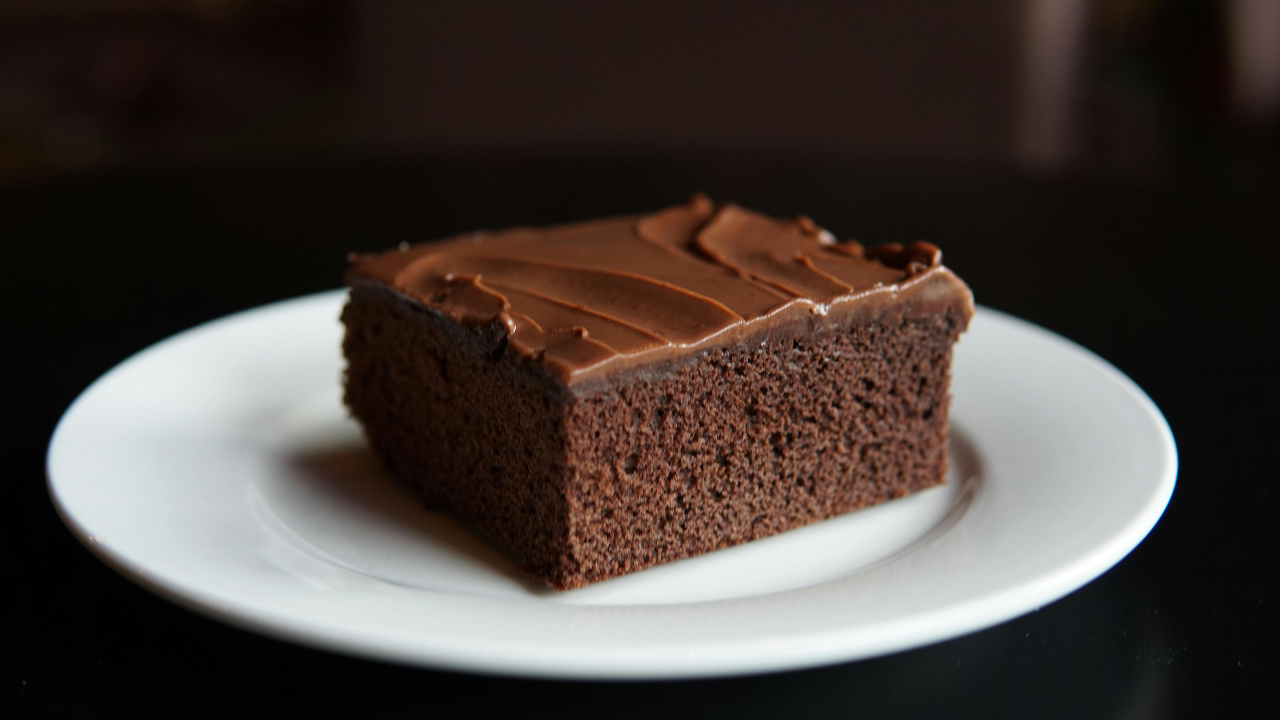

Jamaican rum cake, also known as black cake or Caribbean fruit cake, is a rich, dense, and moist dessert deeply rooted in the island’s cultural and culinary traditions. Often served during holidays and celebrations like Christmas, weddings, and anniversaries, this cake is renowned for its deep, dark color, intense fruit flavor, and strong notes of Jamaican rum. It’s not just a dessert; it’s a flavorful experience that reflects the warmth and spirit of the Caribbean.
In addition, check into: Carrot and Walnut Cake Recipe
The Essence of Jamaican Rum Cake
At its heart, Jamaican rum cake is a fruitcake—but not the dry, overly sweet kind that gets passed around during the holidays. Instead, it’s a carefully aged, flavorful masterpiece made from dried fruits that have been soaked in rum and wine for weeks, sometimes even months. This soaking process softens the fruits and allows them to absorb the flavors of the alcohol, infusing them with a rich, intoxicating aroma.
The most common fruits used in this recipe include raisins, prunes, currants, and cherries. These are often blended into a thick paste before being folded into the batter, creating a smooth yet densely textured cake. Some bakers prefer a chunkier texture and leave bits of the fruits whole, adding a delightful bite to every slice.
Key Ingredients and Preparation
The ingredient list is quite simple but requires attention to detail for the best results:
- Soaked fruits: A mix of raisins, currants, prunes, and cherries, soaked in a combination of Jamaican dark rum and red wine.
- Butter and sugar: Traditionally, browning (caramelized sugar) is used to darken the cake and give it a deep, smoky sweetness.
- Flour and spices: All-purpose flour, baking powder, and warm spices like cinnamon, nutmeg, allspice, and cloves are essential.
- Eggs: These help bind the cake and add to its rich texture.
- Rum and wine: These are added both in the soaking stage and often brushed over the cake after baking for extra moisture and flavor.
The Process
The first and most time-consuming step is preparing the fruit. Ideally, the fruits should be soaked for at least a week, although longer soaking—up to a year—is not uncommon for authentic results. Once soaked, the fruits are blended into a thick mixture.
Next, a browning syrup is made by slowly caramelizing brown sugar until it reaches a dark amber color. This is a vital component and gives the cake its signature dark hue and slightly bitter undertone, which balances out the sweetness of the fruit.
The cake batter is made by creaming butter and sugar, then adding eggs one at a time. The blended fruit mixture, flour, baking powder, spices, and browning are incorporated gradually. The batter is poured into lined pans and baked at a low temperature—around 300°F (150°C)—for a longer period, often an hour or more, to ensure even cooking.
After the cake is removed from the oven, it’s brushed generously with more rum or wine while still warm. This not only enhances the flavor but also helps preserve the cake for weeks.
Flavor Profile and Texture
Jamaican rum cake is celebrated for its deep, complex flavors. The alcohol doesn’t just add booziness—it elevates the flavor of the fruit and adds warmth and richness. The spices provide a subtle background that complements the sweet, dark notes of the cake. The texture is moist, dense, and incredibly satisfying, with every bite offering an interplay of fruit, spice, and caramel.
Aged to Perfection
One of the most unique aspects of Jamaican rum cake is that it gets better with time. The flavors continue to mature and deepen as the cake sits, often wrapped in foil and stored in an airtight container. It’s common to brush it with a little more rum every few days, a process known as “feeding” the cake, to maintain its moisture and enhance the flavor.
Final Thoughts
Jamaican rum cake is more than just a dessert—it’s a celebration of heritage, flavor, and craftsmanship. Whether you’re making it for a festive occasion or simply to enjoy a slice of the Caribbean, this cake is sure to impress with its richness, aroma, and unmistakable charm. Once you try it, you’ll understand why this treasured recipe has been passed down through generations.